
HFNJ@30: HFNJ’s Systemic Approach to Easing Hospital-Acquired Delirium
June 1, 2026
Throughout 2026, we are running a series of articles on the first 30 years of the Foundation’s history and legacy. Read the articles here:
Throughout its 30-year history, The Healthcare Foundation of NJ (HFNJ) has launched targeted initiatives to drive change around specific healthcare needs in our region. As one example, from 2011 through 2014, the Foundation launched an initiative on Hospital-acquired delirium (HAD). The long-lasting changes unleashed through this initiative continue to affect how hospitals in our region identify and address this condition among patients to the present day.
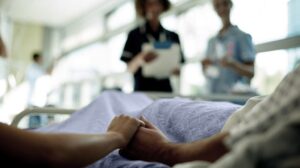 Hospital-acquired delirium is a serious and often overlooked medical condition that affects patients during a hospital stay, particularly older adults. Marked by sudden confusion, changes in awareness, and altered behavior—from withdrawal to agitation—it can lead to longer hospitalizations, increased complications, long-term cognitive decline, and even premature death. The condition is widespread, affecting an estimated 20–30% of general hospitalized patients and up to 50–70% of older adults in intensive care settings. Even milder cases can make it harder for clinicians to assess symptoms and provide proper treatments.
Despite its severity, HAD had historically been under-diagnosed and poorly understood in many healthcare settings. By the early 2010s, research showed that delirium was largely preventable through targeted interventions and improved models of care.
Seizing the Opportunity
Recognizing this, The Healthcare Foundation of NJ stepped in, and launched a multi-year initiative beginning in 2011 to better understand and combat hospital-acquired delirium in Newark-area hospitals. The Foundation’s leadership at the time, including Board Chair Lester Lieberman and Executive Director Marsha Atkind, became aware of the issue based on media reports. They recognized that HFNJ had an opportunity to make a significant impact.
HFNJ began by engaging in extensive fact-finding, consulting national experts and the local community. HFNJ staff met with Dr. Sharon Inouye, a leading researcher and architect of the Hospital Elder Life Program (HELP). HELP is a proven model for preventing delirium through non-pharmacological interventions—using volunteers and staff to provide personal, supportive attention with structured protocols to vulnerable older patients.

Dr. Sharon Inouye, who partnered with HFNJ in developing the initiative
As part of its fact-finding, HFNJ convened seven local hospitals within our service area to assess existing practices. What we learned was striking: most hospitals lacked standardized screening tools, geriatric expertise, or coordinated prevention strategies. Many relied instead on reactive measures such as restraints or psychiatric medications—treating symptoms of HAD rather than focusing on preventing it.
Armed with this knowledge, HFNJ issued a Request for Proposals (RFP) in April 2011, offering grants of up to $100,000 for local hospitals to design innovative delirium prevention programs. Initial funding supported four hospitals with a combined total of just under $400,000, with additional grants awarded in subsequent grant cycles. Including second-year funding, ultimately just under one million dollars would be distributed across nine grants through this initiative.
Seven local hospitals received funding to launch new programs:
- Clara Maass Medical Center launched a pilot of a HELP-based program on a high-risk unit, hired geriatric nurse coordinators, trained volunteers, and implemented daily screening using the Confusion Assessment Method (CAM).
- Morristown Medical Center implemented a HELP program for hospitalized older patients and hired a physical therapist to provide assessments followed by ambulation or mobilization early in the hospital stay.
- Newark Beth Israel Medical Center hired an activity therapist, developed a screening tool to screen for HAD, and trained nursing staff and attending residents.
- Overlook Medical Center expanded its existing program by hiring elder life specialists and scaling interventions across multiple units, reaching thousands of patients and significantly improving staff awareness of HAD.
- Saint Barnabas Medical Center (now called Cooperman Barnabas Medical Center) integrated delirium prevention into a newly established geriatrics program, emphasizing staff training, standardized protocols, and data tracking systems.
- Trinitas Regional Medical Center implemented a culturally responsive delirium prevention program for a vulnerable patient population, including bilingual staff, family engagement, and a dedicated reorientation activity center.
- University Hospital tested an interdisciplinary patient and family-centered clinical pathway coupled with family and professional education to reduce the incidence of HAD.
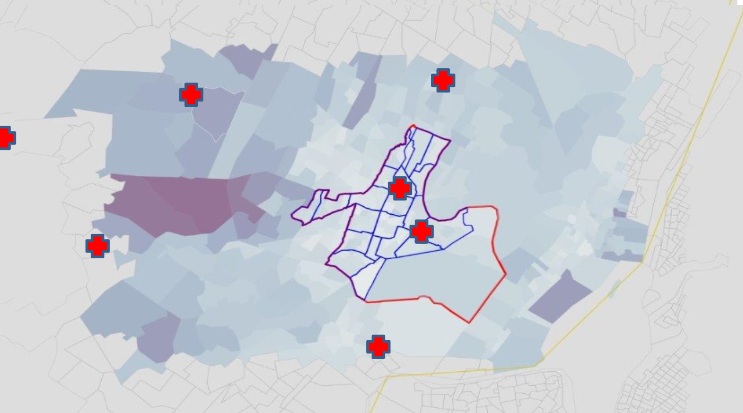
A map of hospitals in the greater Newark area that deployed programs to address HAD as a result of this initiative.
Beyond funding individual projects, HFNJ fostered collaboration and shared learning among these hospitals. Grantees participated in convenings and training opportunities, often learning directly from one another as well as from established HELP centers such as those at Yale and Abington Memorial Hospital. These interactions helped the hospitals refine their own models of volunteer engagement, family education, and staff training. The initiative catalyzed broader cultural change within participating institutions, elevating the importance of geriatric care and making delirium prevention part of their routine practices.
Impact of the Initiative
The results of the initiative were significant. Participating hospitals reported shorter lengths of stay for patients without delirium, reduced readmission rates, improved satisfaction, and decreased reliance on restraints.
The example of Overlook Medical Center is illustrative. After the program first launched, the hospital initially showed an increase in the number of patients exhibiting signs of delirium – as more rigorous and comprehensive screening protocols began to more accurately uncover issues that may have gone unnoticed. Over time, the program showed dramatic results, with the proportion of targeted patients with HAD decreasing from 37% in 2013 to 28% in 2014, and the duration of those incidences decreasing. Surveys showed improvements in satisfaction among patients, staff, and volunteers.
Many of the protocols and programs implemented over a decade ago continue to guide the hospitals’ practices today. By pairing local hospitals with expert guidance and giving them the seed funding needed to put this guidance into practice, HFNJ demonstrated how foundations can strategically invest their resources to make a lasting impact.
As we mark our 30th anniversary we note with pride that an initiative that began fifteen years ago continues to enhance the quality of care of hospitalized patients in our area.